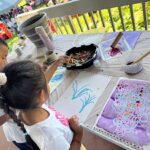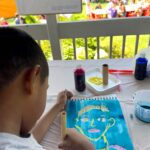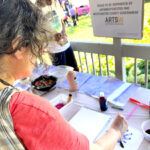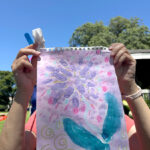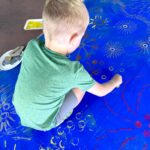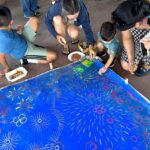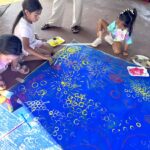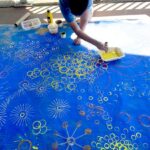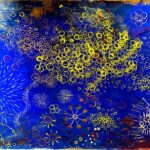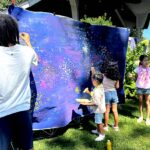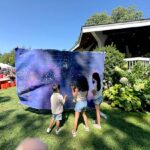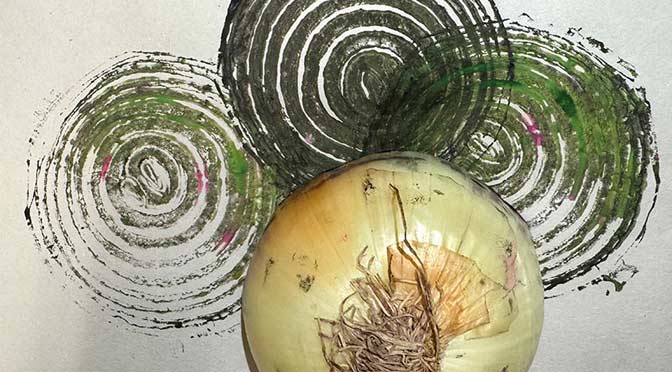
Making Prints to Remember Enslaved Workers at Philipse Manor
Revolutionary Harvest Festival September 19, 2026, at Philipse Manor Hall State Historic Site, 29 Warburton Ave. Yonkers, NY
12:00 PM — 5:00 PM
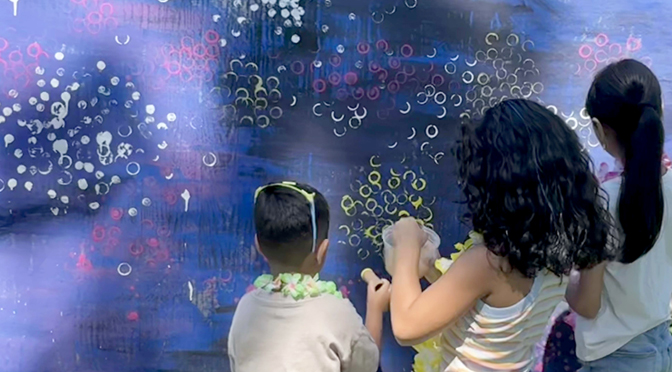
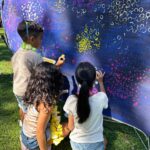
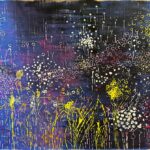
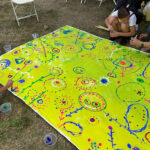
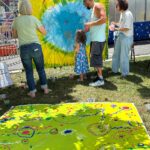
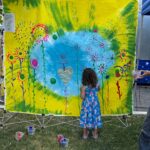
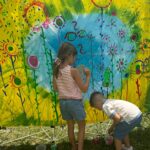
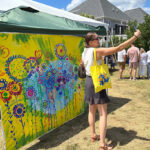
This workshop highlights how the labor of enslaved Africans supported the manor’s prosperity and helps participants understand the foods they may have eaten.
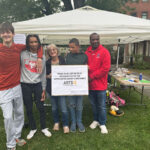
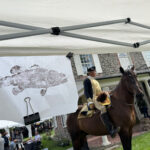
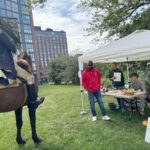
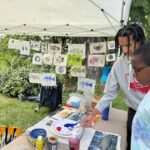
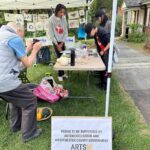
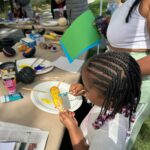
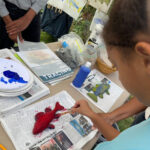
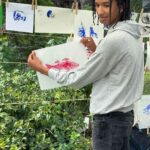
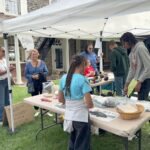
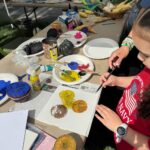
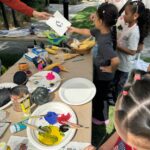
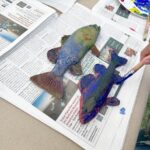
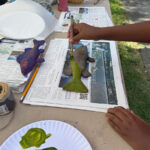
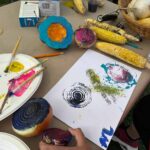
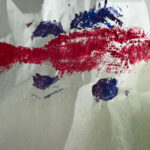
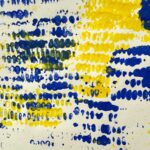
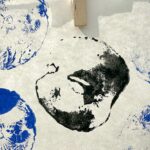
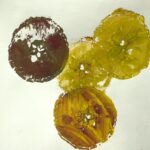
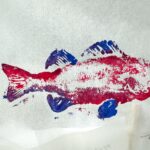
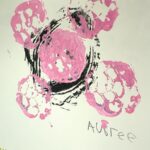
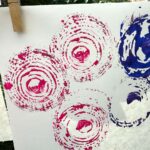
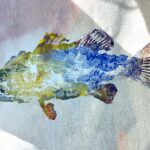
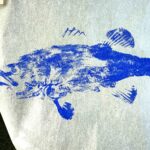
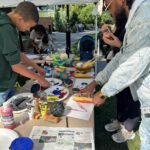
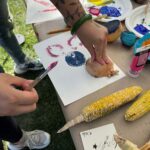
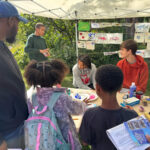
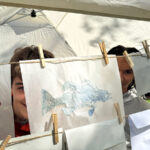
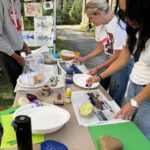
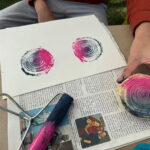
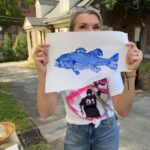
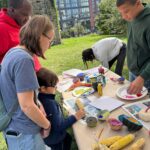
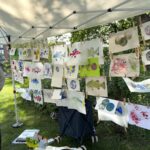
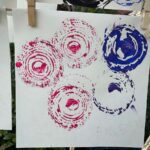

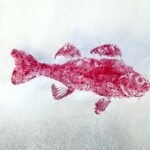
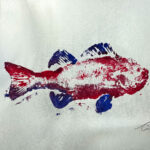
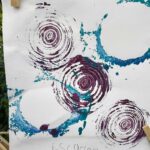
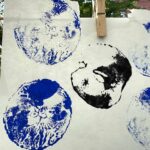
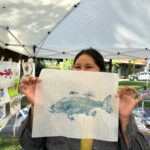
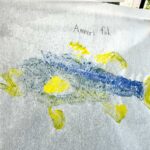
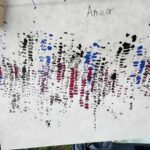
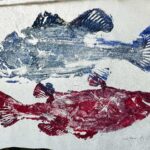
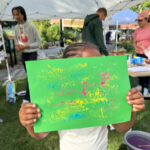
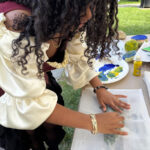
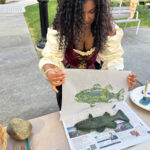
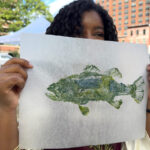
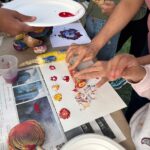
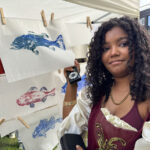
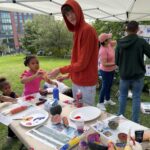
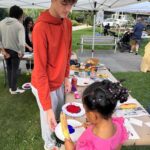
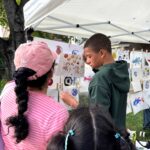
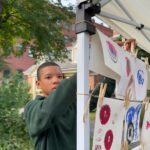
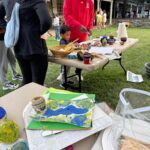
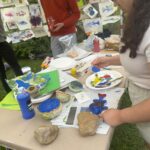
Printing Fish video link
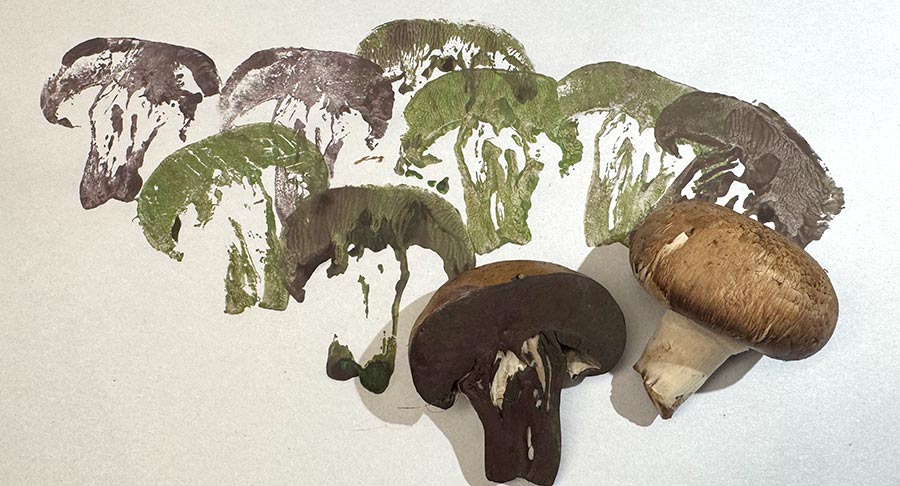
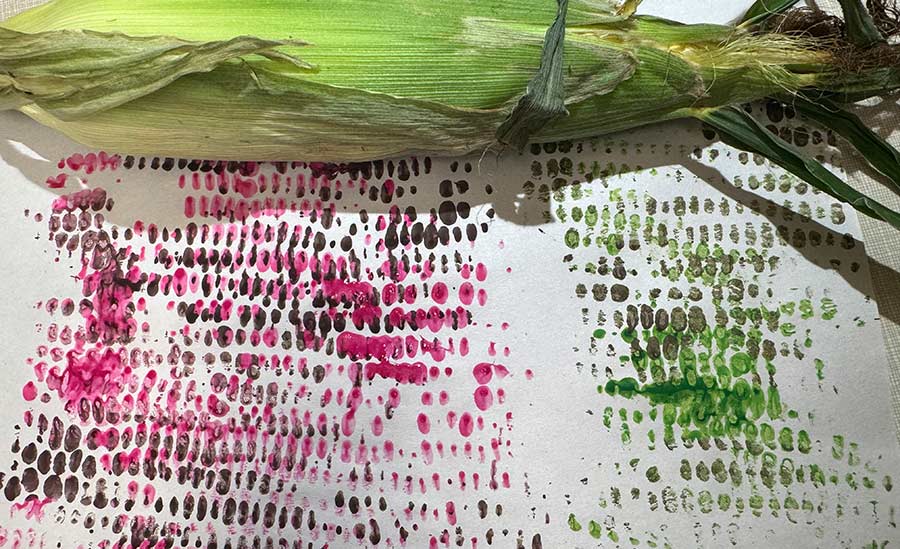
Enslaved Africans were central to the growth and prosperity of the Philipse family and their properties in Yonkers. They worked in the mills, farms, workshops, and households connected to Philipse Manor, while the family also profited from the transatlantic slave trade. Their labor helped build and sustain the estate, including Philipse Manor Hall and the surrounding community.
Historical records—including wills, inventories, bills of sale, and censuses—identify more than 115 enslaved individuals, while many others remain unnamed. These documents reveal families, children born at the estate, and people whose names reflected African cultural traditions. Although the surviving records are incomplete, they provide important evidence of the lives and contributions of the enslaved Africans whose labor shaped Yonkers’ early history.
Today, Philipse Manor Hall’s exhibits and online “Virtual Wing” explicitly include enslaved Africans as part of the site’s permanent interpretation. The museum presents the history as one in which the Philipse family’s prosperity depended substantially on African labor, maritime trafficking, agriculture, construction, and mill work.
Surviving records do not reveal the exact diet of the enslaved people at Philipse Manor Hall. Their food was likely modest and depended on provisions supplied by the owners, the work they performed on the estate, and what they could grow, catch, or obtain themselves.
Because the Philipse estate included farms, mills, gardens, a dairy, and access to the Hudson River and Saw Mill River, their diet may have included bread, flour, cornmeal, wheat, oats, peas, beans, and other grains. Vegetables may have included onions, cabbage, carrots, turnips, beets, parsnips, squash, cucumbers, and leafy greens, depending on the season and available supplies. Dairy products such as butter, as well as occasional pork, beef, poultry, fish, and shellfish, may also have been part of their diet. Fish—including herring, shad, smelt, sturgeon, and other species—could have supplemented their food during seasonal fishing periods. However, there is no evidence that all enslaved people received the same foods or quantities
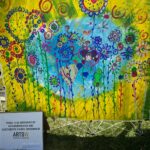
The Nowodworski Foundation is proud to be a grantee of ArtsWestchester with funding made possible by Westchester County government with the support of County Executive Kenneth W. Jenkins and the Board of Legislators.
 We are thrilled to thank Sarah Wassberg Johnson, Program and Event Manager, and Michael A. Lord, Site Director at Philipse Manor Hall State Historic Site in Yonkers, for their steadfast support of our projects and programs.