All posts by KL

Pollinators in Action – Ladybugs and Aphids. Free Live Zoom Art Workshop. Wednesday 4/3/2024 at 5:00 PM

POLLINATORS IN ACTION – Ladybugs and Aphids

Wednesday, April 3rd at 5:00 PM. To sign up for this program send an email to office@sitenf.org with the note  WORKSHOP in the subject line. We will email you the ZOOM ID and password.

Art supplies:

  • Watercolor or water-based paint
  • Sturdy light plain paper
  • Brushes
  • Container of water
  • Paper towel (few pieces)
  • Plate for color mixing
  • Newspaper or table covering (optional but recommended)

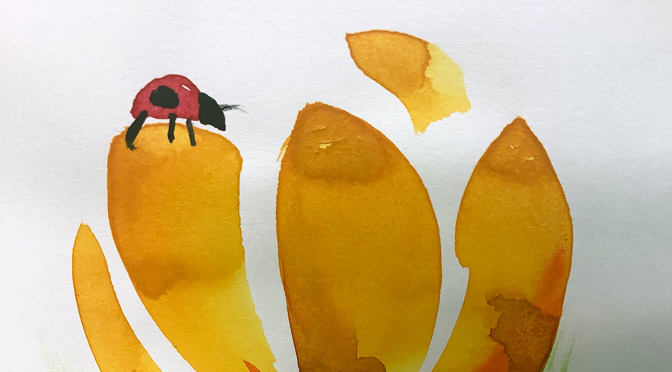
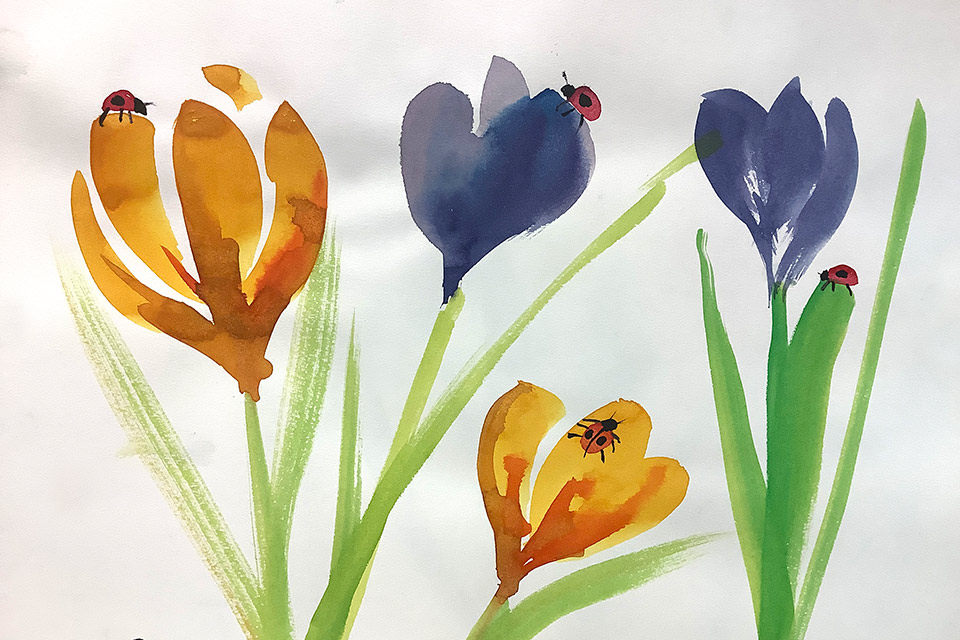
Ladybugs are a popular choice for gardeners looking for natural pest control solutions. These small, colorful insects are known for their voracious appetite for aphids, a common garden pest that can damage plants and crops.
While all ladybugs are beneficial for controlling garden pests, some species are more effective at controlling aphids than others. The two most commonly used species for aphid control are the Hippodamia convergens and the Coleomegilla maculata.
Hippodamia convergens, also known as the convergent lady beetle, is a small, red and black ladybug that is native to North America. This species is widely used for aphid control because of its large appetite and ability to reproduce quickly. Coleomegilla maculata, or the spotted lady beetle, is another popular choice for aphid control. This species is slightly larger than the convergent lady beetle and has a black body with two red spots on each wing cover.  —https://plantnative.org/

Pollinators in Action – Flowering Cherry Trees. Free Live Zoom Art Workshop. Wednesday 3/27/2024 at 5:00 PM

POLLINATORS IN ACTION – The Birds, the Bees, and the Flowering Cherry Trees

Wednesday, March 27th at 5:00 PM. To sign up for this program send an email to office@sitenf.org with the note  WORKSHOP in the subject line. We will email you the ZOOM ID and password.

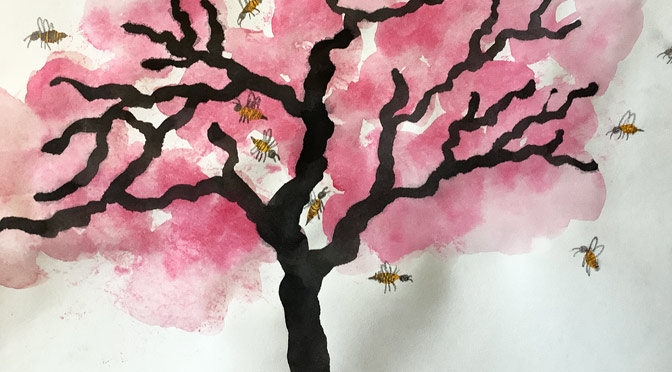
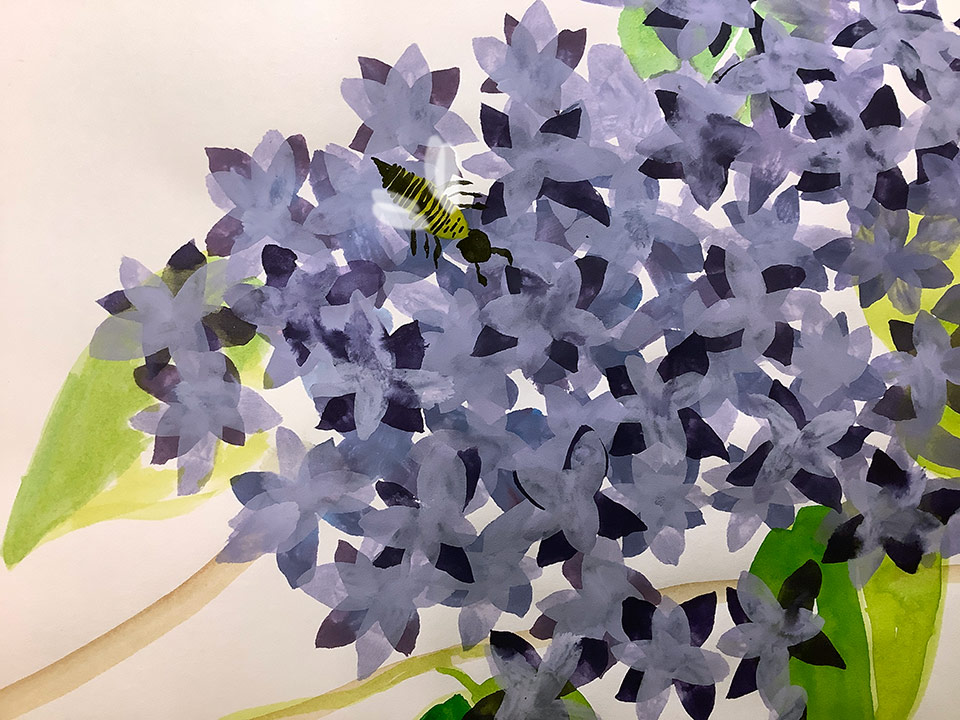
Natural reproductive systems are often described using the birds and bees analogy. In the case of cherry trees, birds plant the seeds but bees are required to pollinate the flowers that make the fruit and seeds.   —https://www.gardeningknowhow.com/
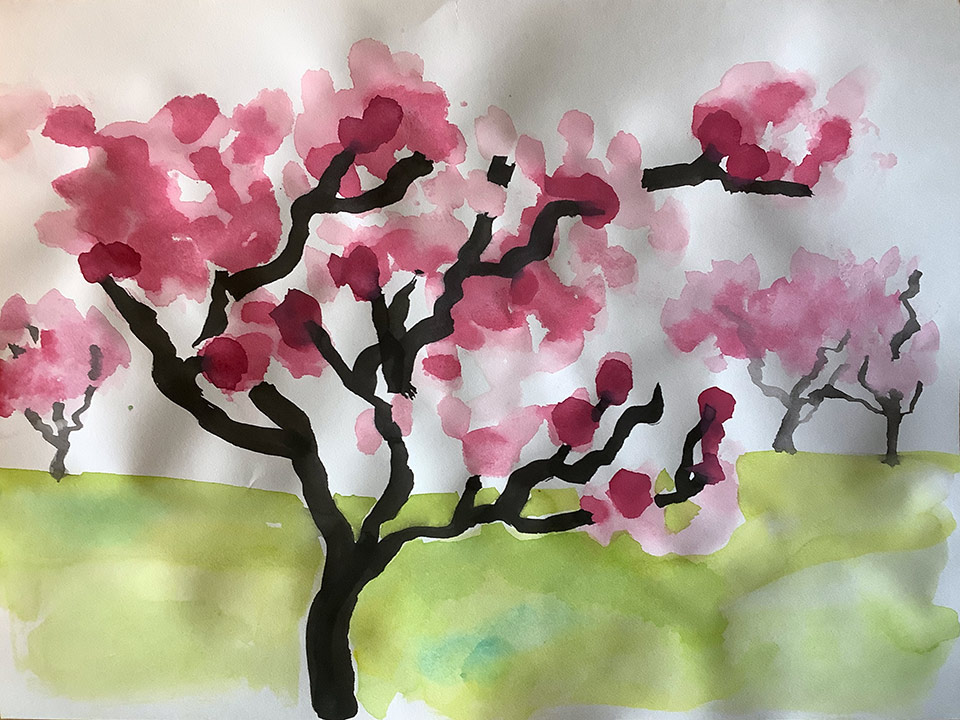
Art supplies:

  • Watercolor or water-based paint
  • Sturdy light plain paper
  • Brushes
  • Container of water
  • Paper towel (few pieces)
  • Plate or small cups or plate for color mixing
  • Newspaper or table covering (optional but recommended)

“When you stroll through National Mall and Memorial Parks, you witness an intricately cultivated ecosystem. Almost all the plants are bred, selected, planted, pruned, and culled for visual effect. Yet untamed natural processes still occur and several species of animals live and flourish in this city “garden.”

Pollinators play a role in the life of this cultivated garden. Each year the color and scent of the cherry blossoms attract a variety of birds and insects. They play an accidental, though essential, role in pollination. Both plants and animals are dependent on pollinators. Pollination is the process by which the plant pollen grains are transferred from the male anther of a flower to the female stigma, which produces seeds for the next generation. Honey bees, wasps, beetles, and other insects fly or crawl to flowers seeking and eating the protein rich pollen. They sponge pollen onto their lower legs, abdomen, and mouth parts. As they fly from flower to flower, the pollen is then transferred to different flowers in different areas. In doing this, pollinators increase the diversity of the landscape’s species.

Birds like northern cardinals and blue jays are attracted to the blossoms in the spring. When the birds eat the blossoms, excess pollen gathers on their beaks thus spreading a wealth of cherry pollen in and around the park. Birds also may trim excess blossoms which helps aid the tree in preventing disease. Although the park plants most of the cherry trees, birds help to maintain that cycle of life. Birds also eat some insects found on the trees providing a supply of protein while also protecting the cherry tree from harmful insects.

So, if we want to continue to enjoy colorful displays and cheerful sounds of spring, we should appreciate the hidden powers of all that comes with that transient beauty. The birds that might leave droppings on you car; the pollen that makes you sneeze; the insects that might deliver a painful sting are all an important part of this delicately cultivated national garden.”  —https://www.nps.gov/articles/birds-and-cherry-blossom-trees.htm


Feathers of Birds Pollinators. Free Live Zoom Art Workshop. Wednesday 3/20/2024 at 5:00 PM

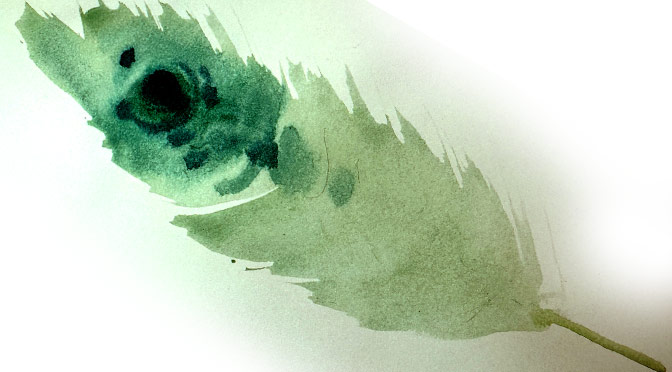
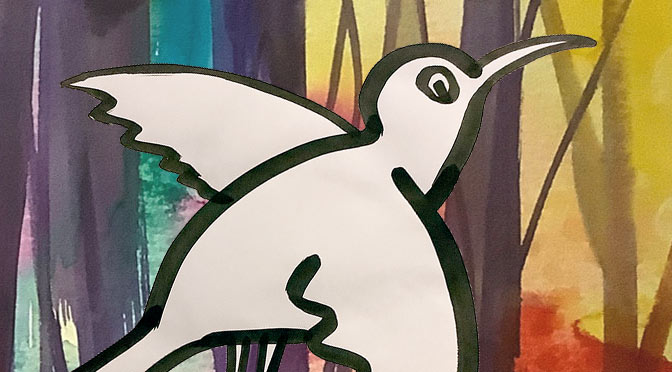
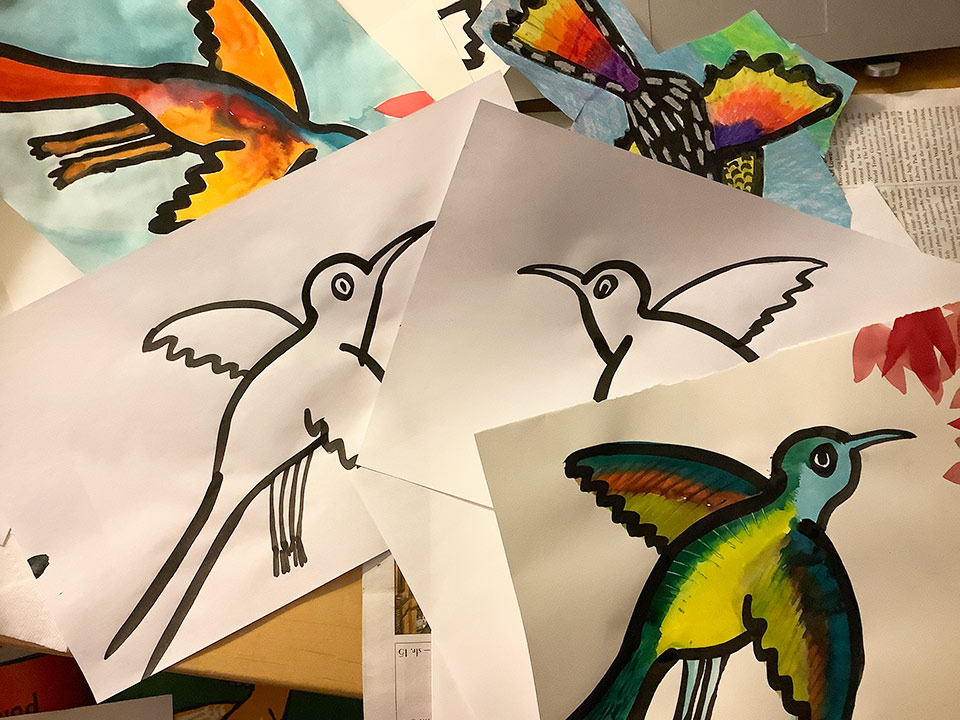
POLLINATORS IN ACTION – Painting  feathers of Birds Pollinators: Sunbirds, Honeyeaters and Hummingbirds

Wednesday, March 20th at 5:00 PM. To sign up for this program send an email to office@sitenf.org with the note  WORKSHOP in the subject line. We will email you the ZOOM ID and password.

Art supplies:

  • Watercolor or water-based paint
  • Sturdy light plain paper
  • Brushes
  • Container of water
  • Paper towel (few pieces)
  • Plate or small cups or plate for color mixing
  • Crayons (optional)
  • Newspaper or table covering (optional but recommended)

Practicing wet-on-wet brushstrokes.

Some of 1,089 species of birds have been recorded as effective pollinators, or about10 per cent of all bird species. Generally speaking , bird pollination is more common in regions where plant growth and flowering occur at all times of the year. In more seasonal regions, the bird pollinators are more likely to be migrant species. Birds can carry large loads of pollen a long way, thereby connecting dispersed plant populations or individuals. Birds are also less likely to be put off by bad weather in the way the bees are, and there is a good evidence that birds often feature as pollinators where insects fail to thrive or even exist, such as oceanic islands.  —Timothy Walker, Princeton University Press


Wildflowers for Pollinators. Free Live Zoom Art Workshop. Wednesday 3/13/2024 at 5:00 PM

POLLINATORS IN ACTION – WILDFLOWERS FOR POLLINATORS

March 13th at 5:00 PM. To sign up for this program send an email to office@sitenf.org with the note ART WORKSHOP in the subject line. We will email you the ZOOM ID and password.

Art supplies:

  • Watercolor or water-based paint
  • Sturdy light plain paper
  • Brushes (large and small)
  • Container of water
  • Paper towel (few pieces)
  • Plate or small cups or plate for color mixing
  • Newspaper or table covering (optional but recommended)

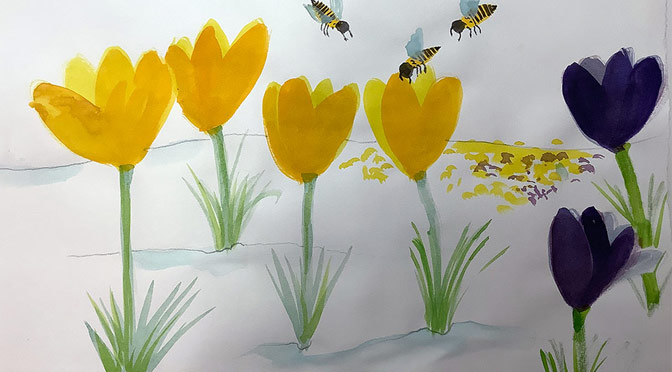
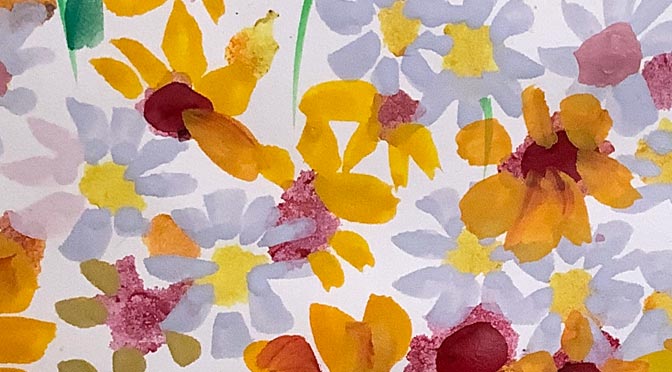
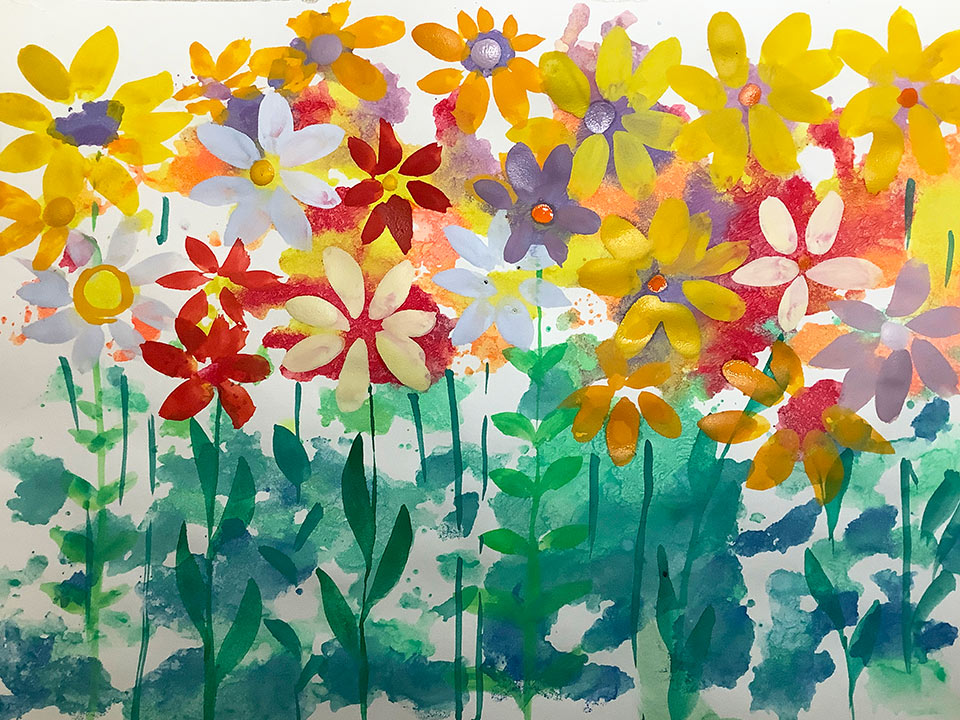
Flowers that are rich in nectar and pollen offer the most food for these insects. Wildflowers are best because they usually have simple, single flowers that are easier for flying insects to access.


Wildflower Meadow – Experimenting with Monoprint. Free Live Zoom Art Workshop. Wednesday 3/6/2024 at 5:00 PM

POLLINATORS IN ACTION – WILDFLOWER MEADOW

March 6th at 5:00 PM. To sign up for this program send an email to office@sitenf.org with the note ART WORKSHOP in the subject line. We will email you the ZOOM ID and password.

Art supplies:

  • Watercolor or water-based paint
  • Sturdy light plain paper (
  • Piece of aluminum foil or glossy paper (~size of letter size paper)
  • Two round brushes (large and small)
  • Container of water
  • Paper towel (few pieces)
  • Plate or small cups or plate for color mixing
  • Newspaper or table covering (optional but recommended)


Tree Collage. Free Live Zoom Art Workshop. Wednesday 2/28/2024 at 5:00 PM

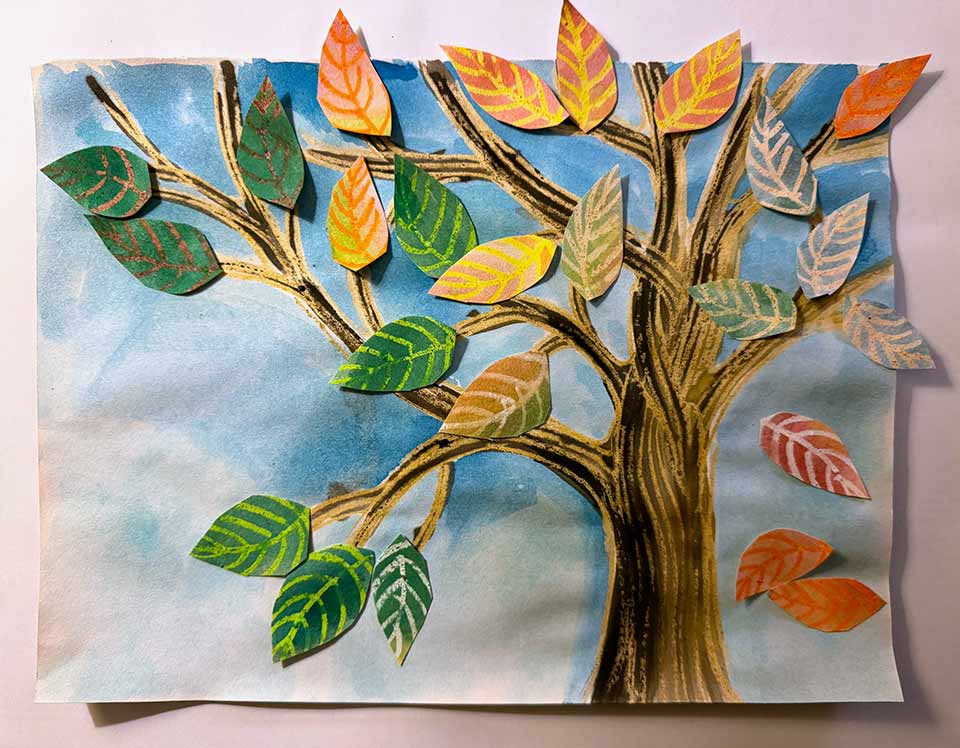
POLLINATORS IN ACTION  TREES 

February 28th at 5:00 PM. To sign up for this program send an email to office@sitenf.org with the note ART WORKSHOP in the subject line. We will email you the ZOOM ID and password.

Materials:

  • Wax crayons in a variety of colors
  • Watercolor or water-based paint
  • Sturdy light plain paper
  • Large brush
  • Container of water
  • Paper towel (few pieces)
  • Scissors and glue

Optional:

  • Plate for color mixing
  • Newspaper or table covering (optional but recommended)


Youtube – Fantastical Leaves with Wax Resist (2022 workshop with Amanda Konishi)

Discover Wax resist technique with Amanda Konishi!

Materials:

  • wax crayons in a variety of colors
  • watercolor or water-based paint
  • sturdy paper
  • large brush
  • container of water
  • paper towel (few pieces
  • Optional: small cups or plate for color mixing
    Newspaper or table covering (optional but recommended)

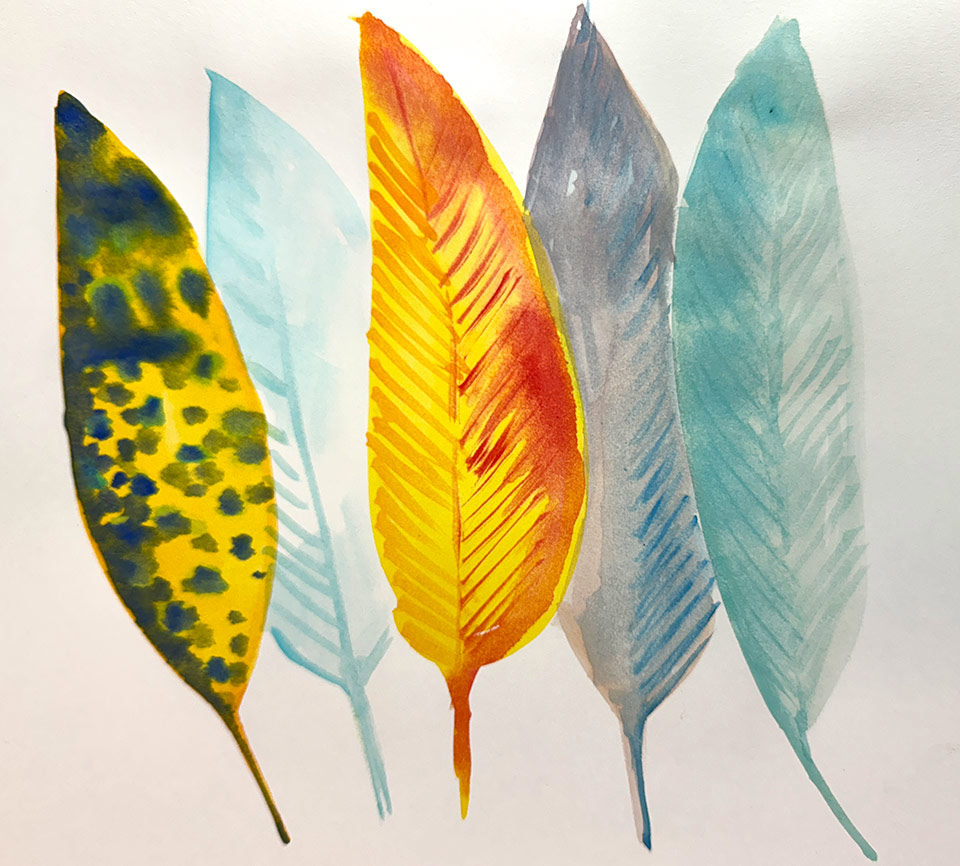
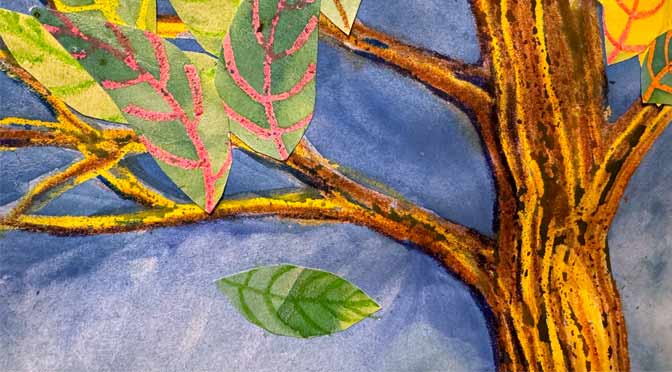
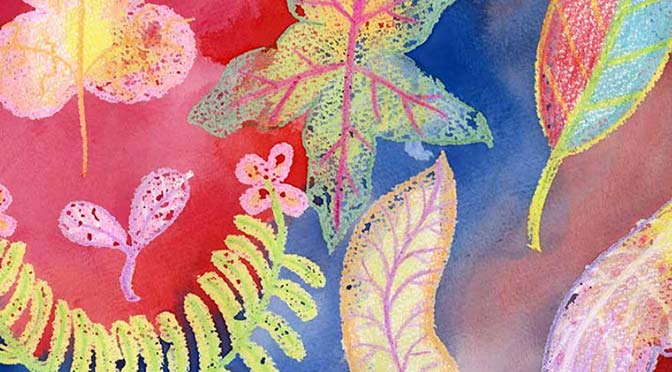
Participants will create atmospheric drawings of a variety of leaves using a crayon wax resist technique. Color mixing will be introduced with both crayons and paint, and the basic structure of different varieties of leaves will be explored. It is suggested that participants bring a few leaves in from their neighborhood or any surrounding environment if possible. After learning a few different ways to create leaves, participants will be encouraged to explore their creativity by mixing and matching patterns, styles and colors to make their own fantasy foliage.


Pollinators in Action – Birds. Free Live ZOOM Art Workshop. Febr. 14th, 2024 at 5 PM.

POLLINATORS IN ACTION – SUNBIRDS 

February 14th at 5:00 PM. To sign up for this program send an email to office@sitenf.org with the note ART WORKSHOP in the subject line. We will email you the ZOOM ID and password.

Materials:

  • Water-based paints
  • Crayons (optional)
  • Sturdy white paper
  • Brush and 2 containers of water
  • Paper towel
  • Newspaper or table covering (optional but recommended)

Sunbirds and spiderhunters make up the family Nectariniidae of passerine birds. They are small, slender passerines from the Old World, usually with downward-curved bills. Many are brightly coloured, often with iridescent feathers, particularly in the males. Many species also have especially long tail feathers. Their range extends through most of Africa to the Middle East, South Asia, South-east Asia and southern China, to Indonesia, New Guinea and northern Australia. Species diversity is highest in equatorial regions.

There are 151 species in 16 genera. Most sunbirds feed largely on nectar, but will also eat insects and spiders, especially when feeding their young. Flowers that prevent access to their nectar because of their shape (for example, very long and narrow flowers) are simply punctured at the base near the nectaries, from which the birds sip the nectar. Fruit is also part of the diet of some species. Their flight is fast and direct, thanks to their short wings.

The sunbirds have counterparts in two very distantly related groups: the hummingbirds of the Americas and the honeyeaters of Australia. The resemblances are due to convergent evolution brought about by a similar nectar-feeding lifestyle. Some sunbird species can take nectar by hovering like a hummingbird, but they usually perch to feed.  —wikipedia


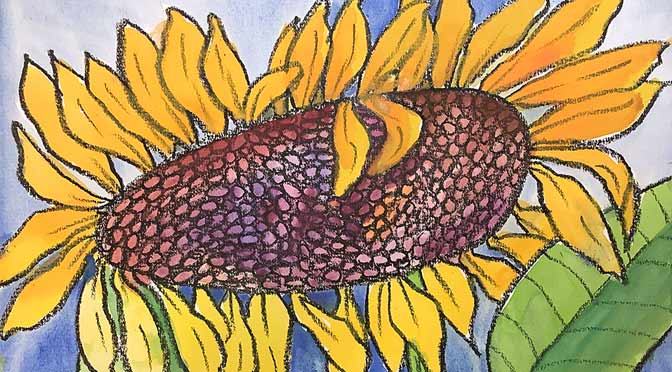
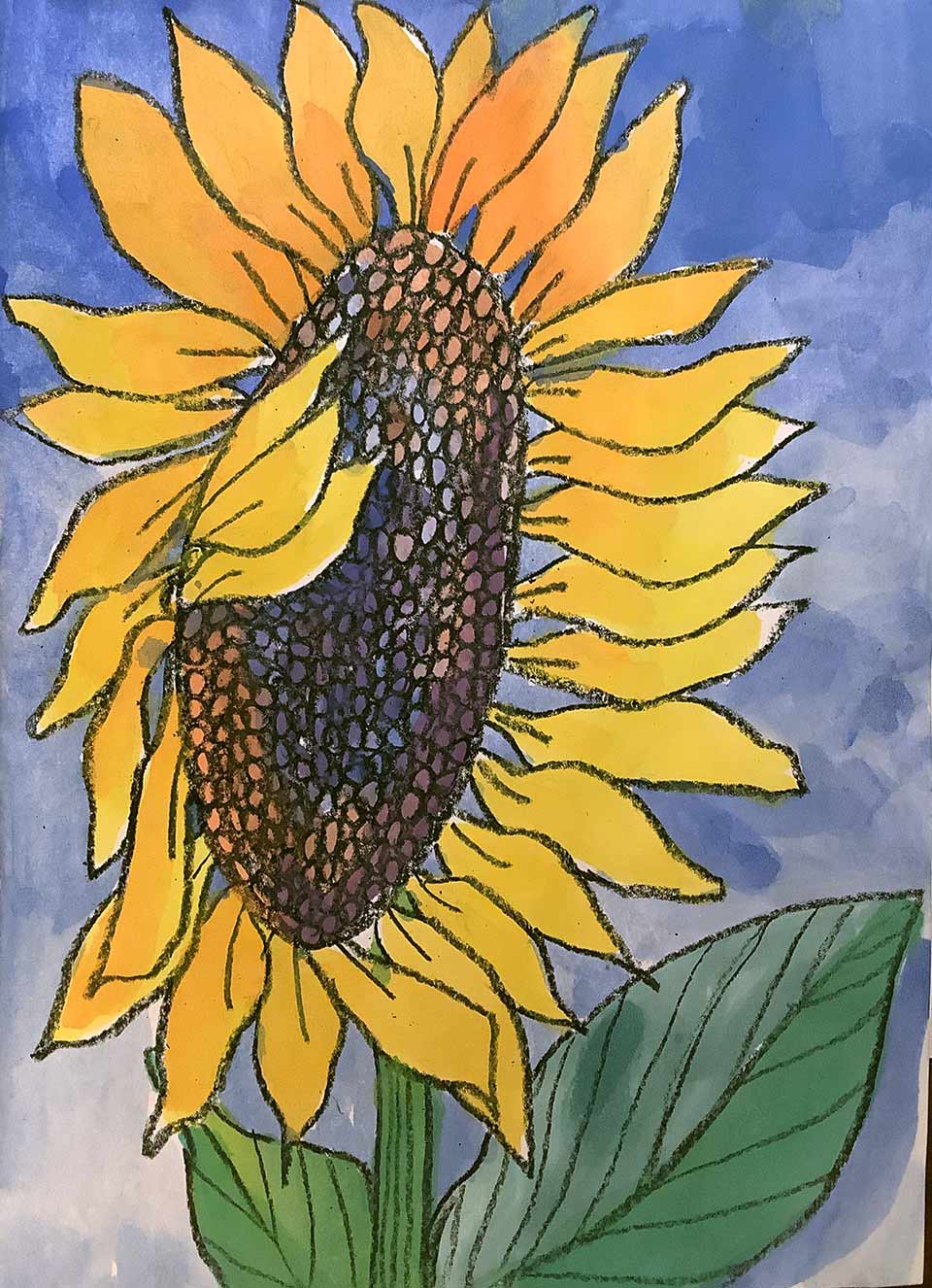
Pollinators in Action – Sunflowers. Free Live ZOOM Art Workshop. Febr. 7th, 2024 at 5 PM.

POLLINATORS IN ACTION – SUNFLOWERS 

February 7th at 5:00 PM. To sign up for this program send an email to office@sitenf.org with the note ART WORKSHOP in the subject line. We will email you the ZOOM ID and password.

Materials:

  • Black wax crayon (or any dark color crayon)
  • Watercolor or water-based paint
  • Sturdy white paper
  • Brush and container of water
  • Paper towel
  • Newspaper or table covering (optional but recommended)

Many sunflowers can self pollinate, as pollen is spread by wind between florets in a single disc. However, insect pollination is more beneficial, especially in times of stress. Bees could increase self pollination rate, spreading it while crawling between florets on a single disc.

The plant was first domesticated in the Americas. Sunflower seeds were brought to Europe from the Americas in the 16th century, where, along with sunflower oil, they became a widespread cooking ingredient. With time, the bulk of industrial-scale production has shifted to Eastern Europe, and (2020) Russia and Ukraine together produce over half of worldwide seed production.

The plant has an erect rough-hairy stem, reaching typical heights of 10 feet. Sunflower leaves are broad, coarsely toothed, rough and mostly alternate; those near the bottom are largest and commonly heart-shaped.

The plant flowers in summer. What is often called the “flower” of the sunflower is actually a “flower head” 3–5 in wide, of numerous small individual five-petaled flowers (“florets”). The outer flowers, which resemble petals, are called ray flowers. Each “petal” consists of a ligule composed of fused petals of an asymmetrical ray flower. They are sexually sterile and may be yellow, red, orange, or other colors. The spirally arranged flowers in the center of the head are called disk flowers. These mature into fruit (sunflower “seeds”).
—wikipedia